If you own a home in Southlake, you already know the weather does not stay in one lane for long. Between intense summer heat, seasonal storms, heavy rain, and the occasional winter freeze, small maintenance tasks can turn into expensive repairs if they are ignored. The good news is that a simple seasonal routine can help you protect your home, your comfort, and your budget. Let’s dive in.
Why seasonal maintenance matters in Southlake
Southlake homeowners deal with a climate that puts pressure on several parts of a home at once. In the nearby Fort Worth area, average highs run from about 89.9 to 94.0 degrees from June through August, January average lows drop to 35.5 degrees, and annual precipitation is about 37.98 inches.
That mix means your home needs attention in four key areas throughout the year: heat management, drainage, storm readiness, and freeze protection. In a market like Southlake, where many homes have complex rooflines, mature landscaping, and irrigation systems, staying ahead of maintenance can help you avoid bigger problems later.
Spring home maintenance in Southlake
Spring is the time to reset your home after winter and prepare for storm season and summer heat. It is also one of the best times to catch minor exterior issues before they become major repairs.
Check for storm and hail damage
Texas roofs regularly face high winds and hail, and the roof covering and roof deck serve as your home’s first line of defense. After major spring storms, inspect your roof, siding, windows, and garage doors for visible damage.
Look for missing shingles, dented metal surfaces, cracked window trim, or signs that water may be getting in. If anything looks off, it is smart to address it early before summer storms add to the damage.
Clean gutters and direct water away
Gutters do more than keep roof edges tidy. They help move water away from your home so the soil around the foundation does not become oversaturated.
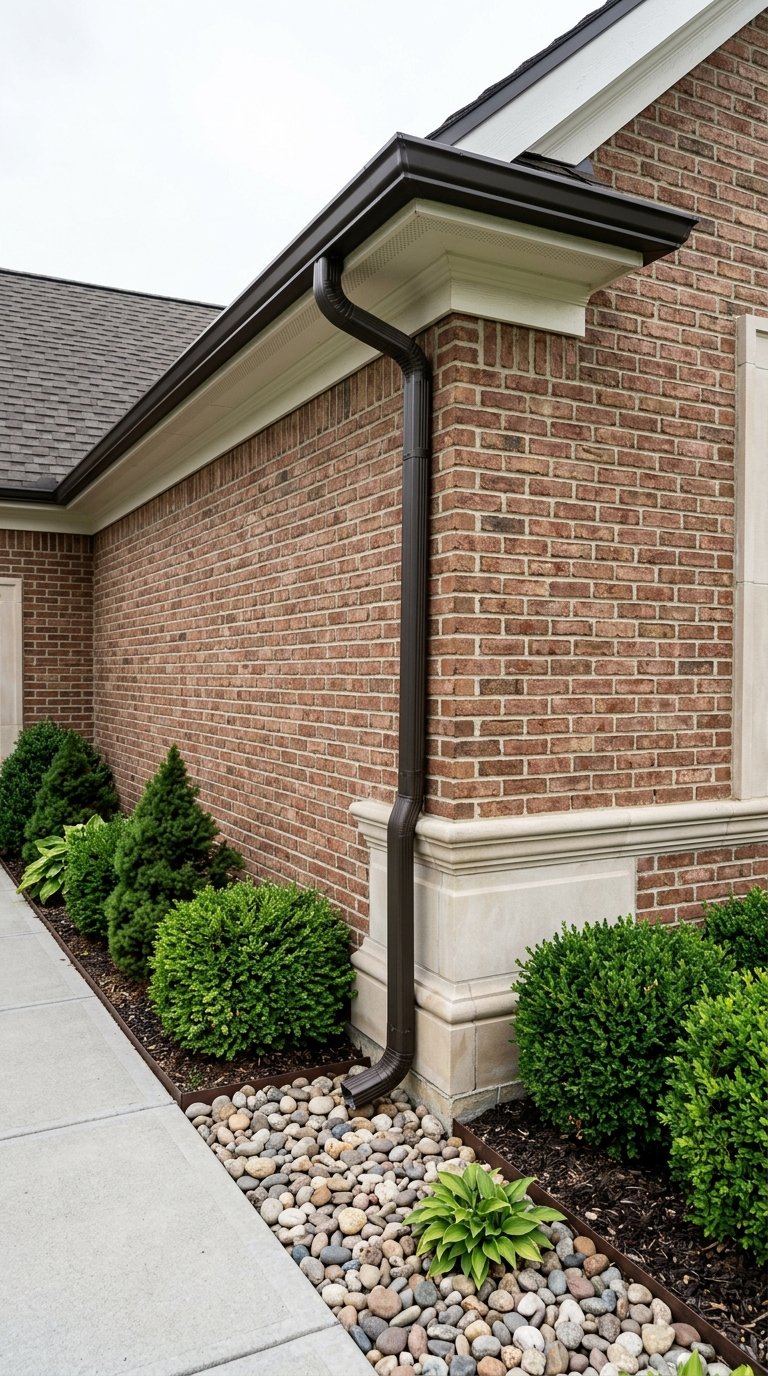
A good spring goal is to clean gutters and make sure downspouts carry water well away from the house. Guidance in the research recommends moving roof runoff more than 5 feet from the foundation, or farther if routed into an underground catchment system.
Service your cooling system early
Before the first real heat wave hits Southlake, schedule a cooling-system checkup. Pre-season servicing in spring can help your HVAC system run more efficiently during the hottest months.
It also helps to check filters monthly and keep both indoor and outdoor equipment clear of dust, leaves, and debris. During a North Texas summer, airflow matters.
Audit your irrigation system
Do not turn your sprinkler system back on and hope for the best. A spring irrigation audit can help you spot coverage gaps, broken heads, or run times that waste water.
Texas A&M AgriLife recommends auditing irrigation and using catch-can testing to see how evenly your system applies water. That gives you a better starting point than guessing, especially heading into a hot Southlake summer.
Summer home maintenance in Southlake
Summer in Southlake is all about managing heat, protecting landscaping, and keeping systems from working harder than they need to. This is the season when routine habits make the biggest difference.
Water deeply, not daily
A common mistake in hot weather is watering too often and too lightly. Texas A&M AgriLife recommends about 1 inch of water per week as a general rule, and notes that one thorough watering is better than several shallow sessions.
Daily watering can keep roots too close to the surface, which makes turf and plants more vulnerable during extreme heat. Deep watering encourages stronger root growth and better drought resilience.
Follow Southlake watering rules
Southlake uses a year-round twice-per-week watering schedule. Even-numbered addresses may water on Wednesday and Saturday, while odd-numbered addresses may water on Thursday and Sunday.
Automatic irrigation is allowed only from 6:00 p.m. to 10:00 a.m. on your designated days. Following that schedule helps reduce evaporation and supports more efficient water use during the hottest part of the year.
Water trees separately from turf
Your lawn and your trees do not always need water in the same way. AgriLife notes that watering grass does not necessarily water trees, especially in summer.
For better results, water trees at the drip line rather than at the trunk. Adding mulch can also help hold moisture in the soil and reduce weed competition during prolonged heat.
Mow conservatively in hot weather
Summer mowing should be steady, but not aggressive. For warm-season bermudagrass, AgriLife recommends mowing at 1 to 2 inches and never removing more than one-third of the leaf tissue at once.
If your lawn starts looking stressed, resist the urge to scalp it. Keeping mowing conservative can help grass handle heat with less shock.
Watch for drought stress
When Southlake temperatures climb, your lawn may show stress before you expect it. Wilting, browning, and a blue-gray color can all be signs that turf is struggling.
Warm-season grass can survive dormancy, but summer irrigation can help prevent excessive drought stress. The key is to respond thoughtfully, not just by adding more short watering cycles.
Check HVAC filters monthly
Your air conditioning system works hard in a Texas summer. Dirty filters can reduce airflow, raise energy costs, and even damage equipment over time.
A monthly filter check is one of the simplest maintenance habits you can build. It takes only a few minutes and can help support comfort and system performance when you need it most.
Fall home maintenance in Southlake
Fall is a transition season. It is the right time to dial back irrigation, clear away buildup around the home, and prepare for colder weather before the first real temperature drop.
Reduce irrigation as temperatures cool
As warm-season grass heads toward dormancy, it usually needs much less water. AgriLife advises turning off or significantly reducing irrigation from late fall to early spring.
Over-irrigating in spring and fall can increase disease pressure, so this is one area where doing less is often the smarter move.
Clear leaves from gutters and near the home
Leaves may look harmless, but they can create moisture and drainage problems if they collect in the wrong places. Fall is a good time to remove leaves from gutters and from the first few feet around your home.
Texas A&M Forest Service also recommends clearing leaf buildup from garden beds that touch the house and other areas where material can collect against the structure.
Hold off on major pruning
If you are tidying your landscaping in fall, keep pruning light. AgriLife advises limiting pruning to dead or diseased wood before winter.
Severe pruning can trigger tender new growth, which may be damaged by frost later on. For bigger pruning projects, waiting until midwinter is often the better plan.
Schedule a heating tune-up
Fall is the best time to have your heating system checked before the first cold snap arrives. A seasonal service visit can help catch issues early and make sure your system is ready when temperatures dip.
Just like spring cooling maintenance, this step is about getting ahead of demand rather than reacting to it.
Use soil tests before fertilizing
If you plan to fertilize in fall, start with a soil test. AgriLife notes that soil testing is the most accurate way to understand nutrient levels and guide a fertilization plan.
That approach can help you avoid wasting product and applying nutrients your lawn may not need.
Winter and freeze prep in Southlake
Southlake winters are usually manageable, but hard freezes can still create serious damage if you are not prepared. A little advance planning can go a long way.
Protect pipes before a freeze
Before freezing weather arrives, insulate outdoor pipes and pipes in unheated spaces. Disconnect hoses, install insulated faucet covers, and make sure everyone in the household knows where the main shut-off valve is.
Fort Worth Water also recommends keeping the meter box lid on. These simple steps can help reduce the risk of frozen or burst pipes.
Take smart steps during prolonged freezes
If temperatures stay below freezing for an extended period, open cabinet doors where indoor water pipes run so warm air can circulate around them. It is also wise to keep extra water on hand in case service is interrupted.
If a pipe freezes, Fort Worth guidance says the safest response is to call a plumber. A frozen pipe may crack and burst as it thaws.
Winterize irrigation carefully
In Texas, irrigation winterization is not always the same as in colder northern climates. Texas A&M AgriLife notes that most Texas landscape irrigation systems are not designed for the northern blow-out method.
Fort Worth guidance recommends turning off the controller and backflow and adjusting sprinkler heads so water does not ice over sidewalks or streets. The goal is to protect the system without overdoing it.
Protect young trees and potted plants
Young trees and container plants often need extra help during a hard freeze. Texas A&M Forest Service says moist soil can help insulate trees, and watering young or newly planted trees before freezing temperatures can help if soil moisture is low.
For potted plants, moving them indoors or covering them before cold weather arrives is a smart seasonal step.
Year-round habits that pay off
Some maintenance tasks matter in every season, not just once a year. In Southlake, a few simple habits can help you stay ahead of bigger issues.
Keep these routines on your radar
- Monitor drainage around the home after storms
- Check HVAC filters monthly
- Audit irrigation performance instead of guessing
- Inspect trees and shrubs after major weather swings
- Watch gutters and downspouts for buildup or overflow
These habits support the same systems that take the most stress in North Texas weather: your roof, foundation, landscape, plumbing, and HVAC equipment.
A practical checklist protects your investment
A well-kept home usually feels better to live in and is easier to manage over time. More importantly, a seasonal maintenance plan helps you catch problems early, reduce unnecessary wear, and protect one of your biggest investments.
If you are planning a move, getting ready to sell, or simply want guidance on how to position your Southlake home well in today’s market, local insight matters. When you want tailored advice and concierge-style support, connect with Move 2 DFW.
FAQs
What seasonal home maintenance matters most in Southlake?
- In Southlake, the most important seasonal tasks usually focus on storm damage checks, drainage and gutter care, HVAC servicing, irrigation adjustments, and winter freeze protection.
What is the watering schedule for Southlake homeowners?
- Southlake uses a year-round twice-per-week watering schedule: even-numbered addresses water Wednesday and Saturday, odd-numbered addresses water Thursday and Sunday, and automatic irrigation is allowed only from 6:00 p.m. to 10:00 a.m. on designated days.
How often should Southlake homeowners check HVAC filters?
- Southlake homeowners should check HVAC filters monthly, especially during heavy summer cooling use, because dirty filters can reduce airflow, raise energy costs, and strain the system.
How should Southlake homeowners prepare for a winter freeze?
- Before a freeze, Southlake homeowners should insulate exposed pipes, disconnect hoses, use insulated faucet covers, keep the meter box lid on, and know where the home’s main shut-off valve is located.
How much should you water a lawn during a Southlake summer?
- Texas A&M AgriLife says a good general rule is about 1 inch of water per week, with deep watering preferred over frequent shallow watering.
Why is drainage maintenance important for Southlake homes?
- Drainage maintenance matters because roof runoff that is not directed away from the home can saturate soil around the foundation and increase the risk of moisture problems over time.