Picture your weekends starting with a lap in the pool, a stroller-friendly trail walk, and a coffee on the clubhouse patio before an afternoon pickleball match. If you are moving to Mansfield from out of state or trading up for more lifestyle, you want amenities that make everyday life feel like vacation. You also want clear guidance on HOA fees, commute times, and how these communities fit your budget and routine. In this guide, you will learn what “resort-style” really means in Mansfield, how to compare neighborhoods, and what to ask before you buy so you can choose with confidence. Let’s dive in.
What “resort-style” means in Mansfield
Resort-style living in Mansfield usually means a mix of water, wellness, and community programming designed to keep you close to home on weekends. You will see community pools, splash pads for kids, and in some cases lap or junior Olympic pools. Some master-planned areas add water-park touches like lazy rivers or elaborate water features.
Clubhouses bring the indoor perks. Look for fitness centers, rentable event rooms, multipurpose spaces, and sometimes a business center. If you enjoy structured activities, many HOAs organize holiday events, fitness classes, and youth programs.
Outdoor infrastructure matters too. Trails link pocket parks, playgrounds, ponds, and sports courts. You may find tennis, basketball, or pickleball, along with dog parks and boardwalks around small lakes. In larger master plans, on-site retail or planned mixed-use spaces help reduce driving for daily errands.
Daily life: how amenities shape your routine
Amenities should support how you actually live. If you love morning workouts, a clubhouse gym and miles of trails keep you moving without a long drive. If you have young kids, splash pads, playgrounds, and swim programs can fill a summer calendar.
If you enjoy hosting, a clubhouse with rentable event space is a plus. Community programming also helps you plug in fast after a relocation. A lively events calendar, farmers markets, and HOA-run clubs make it easier to meet neighbors.
If you prefer quiet, look for pocket-park access and trail loops near your home so you enjoy green space without relying on the busiest amenities.
Who these neighborhoods fit best
- Families who want built-in activities for kids and teens.
- Active adults who prioritize trails, fitness centers, and community leagues.
- Social buyers who value clubhouses, events, and easy entertaining.
- Downsizers who prefer smaller-lot or patio-style homes and low-maintenance living.
The right fit comes from matching amenities, HOA expectations, and commute needs to your routine.
Home types and lot sizes to expect
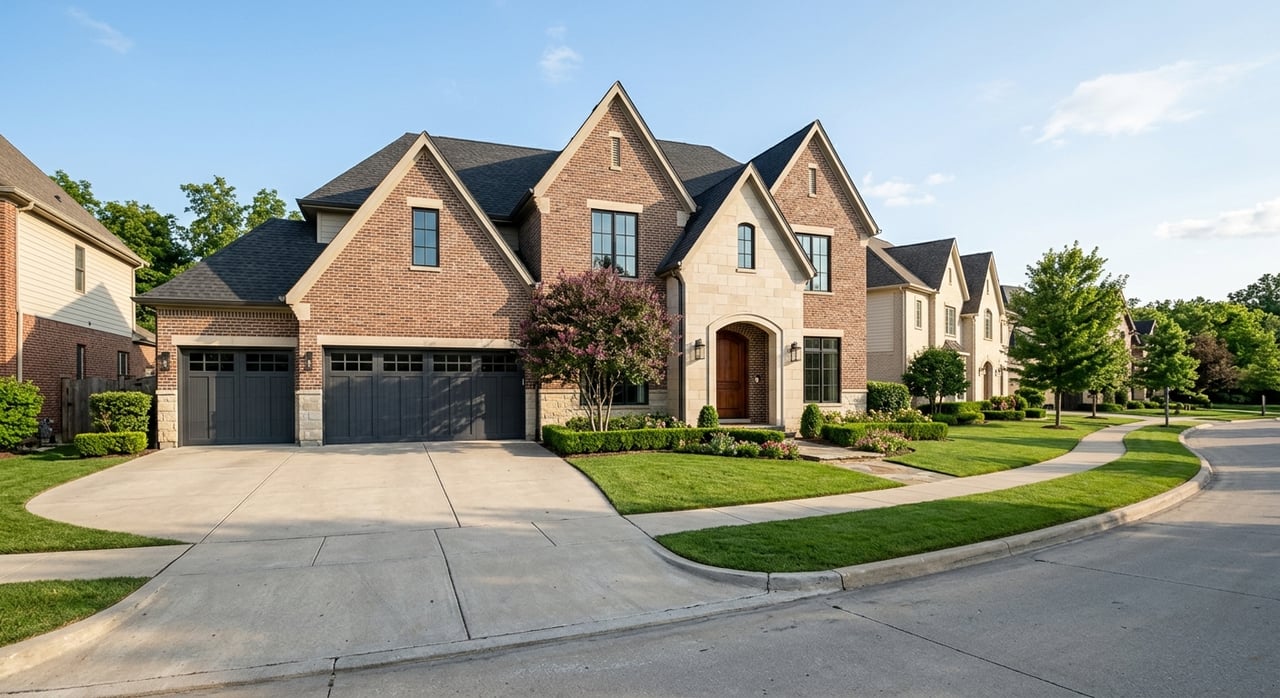
Most resort-style neighborhoods in Mansfield offer single-family homes in one- and two-story plans. In some pockets, you may find townhomes or patio/zero-lot-line options that trade yard size for convenience. Floor plans commonly range from about 1,400 to over 5,000 square feet, with 3 to 5 bedrooms typical in family-focused sections.
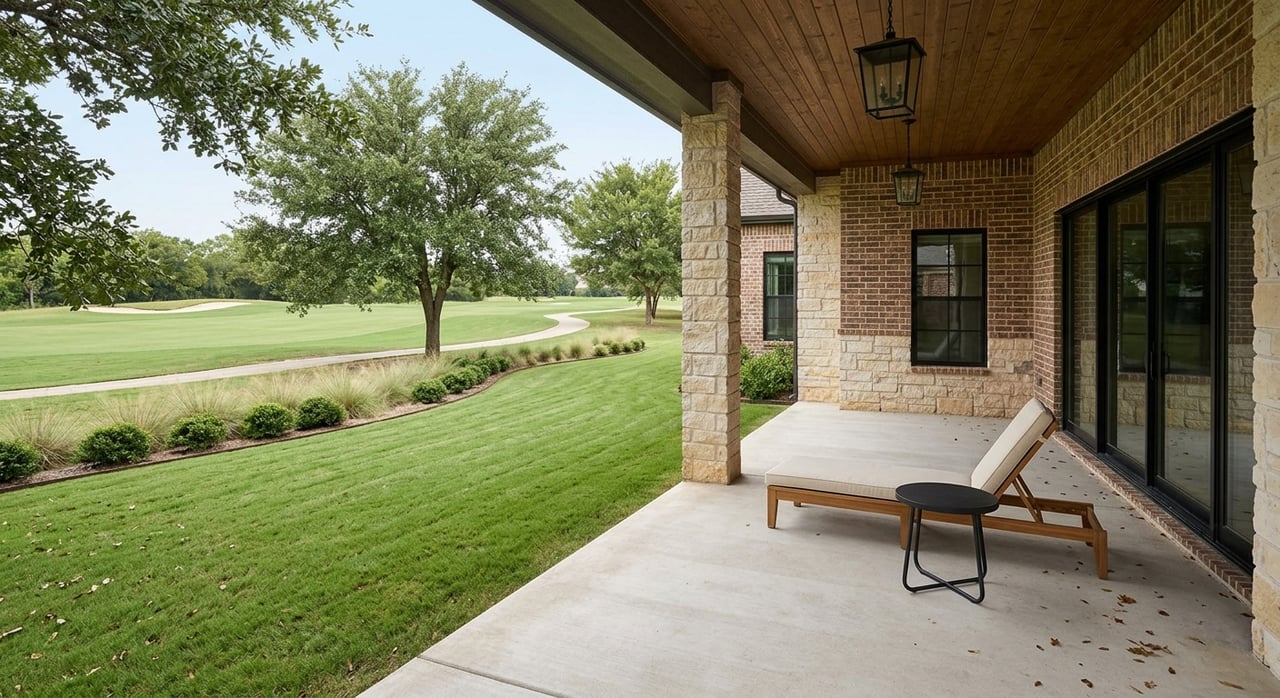
Lot sizes vary by section. Denser parts may feature smaller yards for low upkeep, while move-up and estate sections can reach 0.2 to 0.5 acres or more. When you tour, pay attention to privacy, setback, and whether your preferred lot backs to a trail, pond, or greenbelt.
Price bands and how to budget
Use these approximate bands as a starting point while you confirm current pricing with MLS data:
- Entry or downsizer options: roughly $250,000 to $350,000. You will typically see smaller single-family homes, townhomes, or older inventory.
- Move-up family homes: roughly $350,000 to $600,000. This is the largest share in many master-planned areas, with 3 to 5 bedrooms and family-oriented amenities.
- Upper-tier or luxury: roughly $600,000 and up. Expect larger lots, premium finish-outs, and in some cases custom or semi-custom options.
Ask for recent active and closed sales plus days on market and list-to-sale price ratios so you understand how competitive each neighborhood is before you write an offer.
HOA fees and what to ask up front
Amenity-rich communities rely on HOAs to maintain assets like pools, trails, and clubhouses. Fees vary by design and scope. In North Texas, low-amenity subdivisions can be about $25 to $75 per month, while master-planned neighborhoods with robust amenities often run higher, commonly around $100 to $300 or more per month. Some communities bill annually or charge one-time capital or transfer fees.
Many buyers also ask about Municipal Utility Districts (MUDs). MUDs help fund infrastructure and can increase your annual tax rate. Verify whether a MUD applies in your target section and what the current rate is.
Use this quick HOA checklist when you request documents:
- What is included in dues and how are they billed? Any separate amenity fees?
- Are there recent or planned special assessments? Ask for meeting minutes.
- What is the reserve funding policy and approximate reserve level?
- What are the ARC (architectural) rules and approval timelines?
- Any rental caps or short-term rental restrictions?
- Guest policies for pools, clubhouses, and sports courts?
- Management company and after-hours process?
Commute and location basics
Mansfield sits in southern Tarrant County, between Fort Worth and Arlington. From most neighborhoods, you can expect approximate drive times of 20 to 35 minutes to downtown Fort Worth, 15 to 30 minutes to the Arlington Entertainment District, and 25 to 40 minutes to DFW Airport. Actual times vary by neighborhood and traffic, so check live mapping for your commute windows before you decide.
Road access matters. Sections closer to I-20, TX-360, and U.S. 287 offer more direct routes to regional employment centers. If you commute during peak hours, drive the route at your typical time before making an offer.
Schools and services snapshot
Most Mansfield neighborhoods are served by Mansfield Independent School District. School assignment often influences buyer decisions, so confirm elementary, middle, and high school zoning for your specific lot. Use official district resources for attendance zones and Texas Education Agency reports for performance.
Beyond HOA amenities, you will find city parks and regional greenways that add value. Fire, police, and nearby healthcare access are also part of everyday life. If response times or proximity to services are important to you, note station locations and hospital access during your neighborhood tours.
How to compare neighborhoods, step by step
Use this simple framework to evaluate any Mansfield master-planned community:
- Amenities and access
- Pools: number, type, lifeguards, season, hours.
- Clubhouse: fitness center, rentable spaces, on-site staff.
- Trails: total miles, greenbelt connections, ADA access.
- Sports: courts, fields, reservation rules, leagues.
- Dog parks and playgrounds: quantity, condition, age ranges.
- Programming: events calendar, clubs, youth activities.
- On-site retail: current shops and any planned phases.
- Homes and lots
- Typical floor plans, bed/bath mix, builder profiles.
- Lot size ranges and privacy options.
- Age of construction and finish-out expectations by section.
- Pricing and competitiveness
- Current active listings and recent solds for the last 6 to 12 months.
- Median days on market and list-to-sale ratio.
- Any incentives or new-construction inventory in nearby phases.
- HOA and taxes
- Dues, inclusions, transfer or capital fees.
- Reserve health and recent assessments.
- MUD presence and current tax rate.
- Commute and schools
- Live-drive times to your work centers.
- Confirmed school assignments for your lot.
- Proximity to city parks and healthcare.
- Pros and cons summary
- Strengths that fit your lifestyle.
- Potential tradeoffs such as higher dues, stricter ARC rules, or phased amenities still under construction.
New construction vs. resale in amenity-rich areas
New sections can deliver the latest clubhouse or pool design, plus up-to-date building codes and energy features. You may benefit from builder incentives or closing cost help. Tradeoffs may include active construction and amenities that are still planned. Always ask which features are open now and which are scheduled.
Resale homes place you in an established section with mature landscaping and fully operational amenities. You can evaluate actual usage, HOA operations, and any recent assessments. The tradeoff is less selection in floor plans and finish-outs compared to new builds.
Resale value factors to keep in mind
Buy with resale in mind. Neighborhoods with well-maintained, widely used amenities and an active HOA with healthy reserves tend to hold value better. Proximity to well-regarded schools and efficient commutes can also help long term.
Watch for risks that can weigh on value. These include deferred amenity maintenance, frequent assessments, heavy restrictions without clear benefits, aging facilities, and high MUD indebtedness. Ask for documents that help you evaluate these factors before you commit.
Smart questions to ask on your tours
- Which amenities are currently open and which are planned? What are target dates?
- Are there guest fees or membership tiers for pool, fitness, or clubhouse use?
- Are amenities available to renters as well as owners?
- What is the current HOA due amount and schedule? Any separate amenity or capital fees?
- Are there pending or recent special assessments? For what purpose?
- Who manages the community and how are emergencies handled?
- What is the typical ARC approval timeline for exterior changes?
- What are the recent trends in days on market and buyer demand here?
How Move 2 DFW helps you choose
When you relocate or trade up, you need more than a map and a few listing links. You need a trusted advisor who confirms HOA details, checks amenity phase status, verifies school zones, and runs the commute at your times. You also want current MLS pricing and inventory data so your offer strategy matches the market.
With a concierge approach, you can expect a curated shortlist that fits your lifestyle, budget, and timeline. You get clarity on fees, taxes, and rules before you fall in love with a home, plus negotiation guidance grounded in fresh sales data.
Ready to compare Mansfield neighborhoods with resort-style amenities and tour your best fits? Reach out to Move 2 DFW to get a tailored plan and a seamless start.
FAQs
What counts as a “resort-style” amenity in Mansfield?
- Look for a combination of pools or splash pads, a clubhouse with fitness and event spaces, miles of trails, sports courts, dog parks, ponds, and an active calendar of community events.
How much are HOA fees for amenity-rich neighborhoods?
- Fees vary by community scope, but amenity-rich areas commonly run about $100 to $300 or more per month in North Texas, while simpler subdivisions can be about $25 to $75 per month.
Do Mansfield neighborhoods have MUD taxes?
- Some do. MUDs fund infrastructure and can increase your property tax rate, so confirm whether a MUD applies to your section and what the current rate is before you buy.
What are typical home prices in these communities?
- As a starting point, entry options can be roughly $250,000 to $350,000, move-up homes about $350,000 to $600,000, and upper-tier homes $600,000 and up, with exact pricing confirmed by current MLS data.
How long is the commute from Mansfield to major hubs?
- From many neighborhoods, estimate about 20 to 35 minutes to downtown Fort Worth, 15 to 30 minutes to the Arlington Entertainment District, and 25 to 40 minutes to DFW Airport.
How do I verify school zones for a specific home?
- Use Mansfield ISD’s official attendance resources to confirm elementary, middle, and high school assignments for the exact address, and review Texas Education Agency reports for performance context.