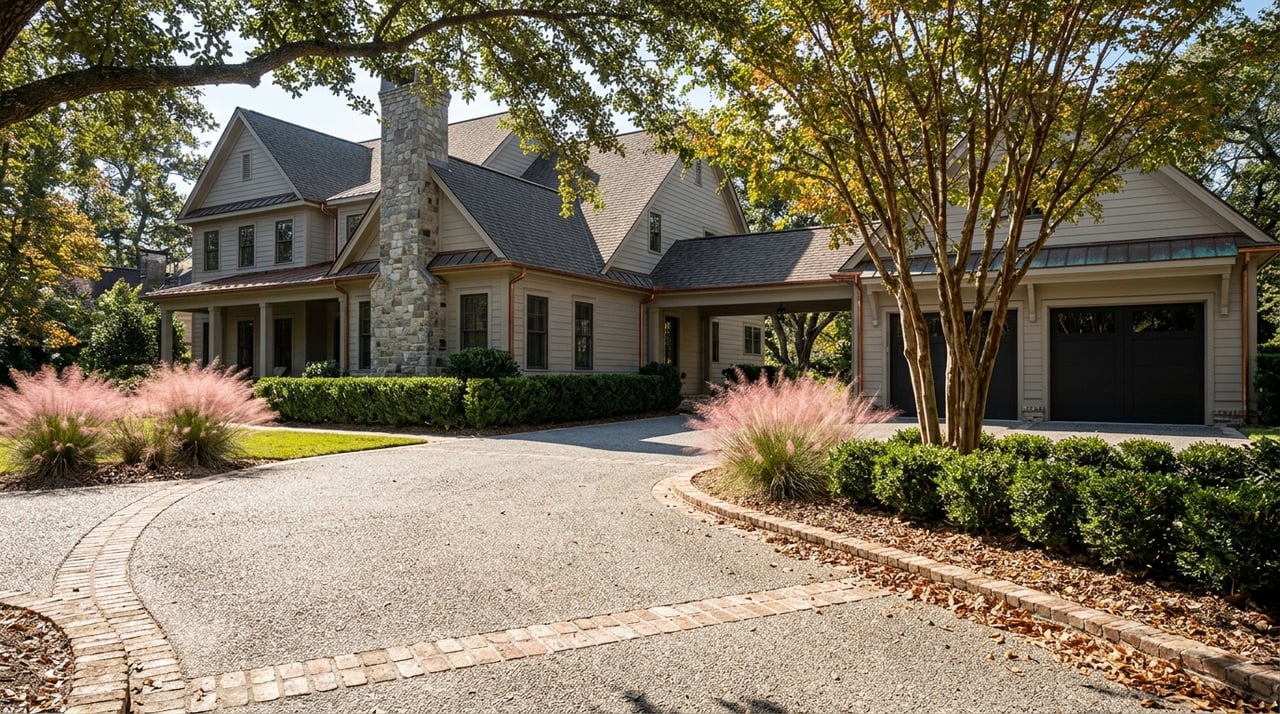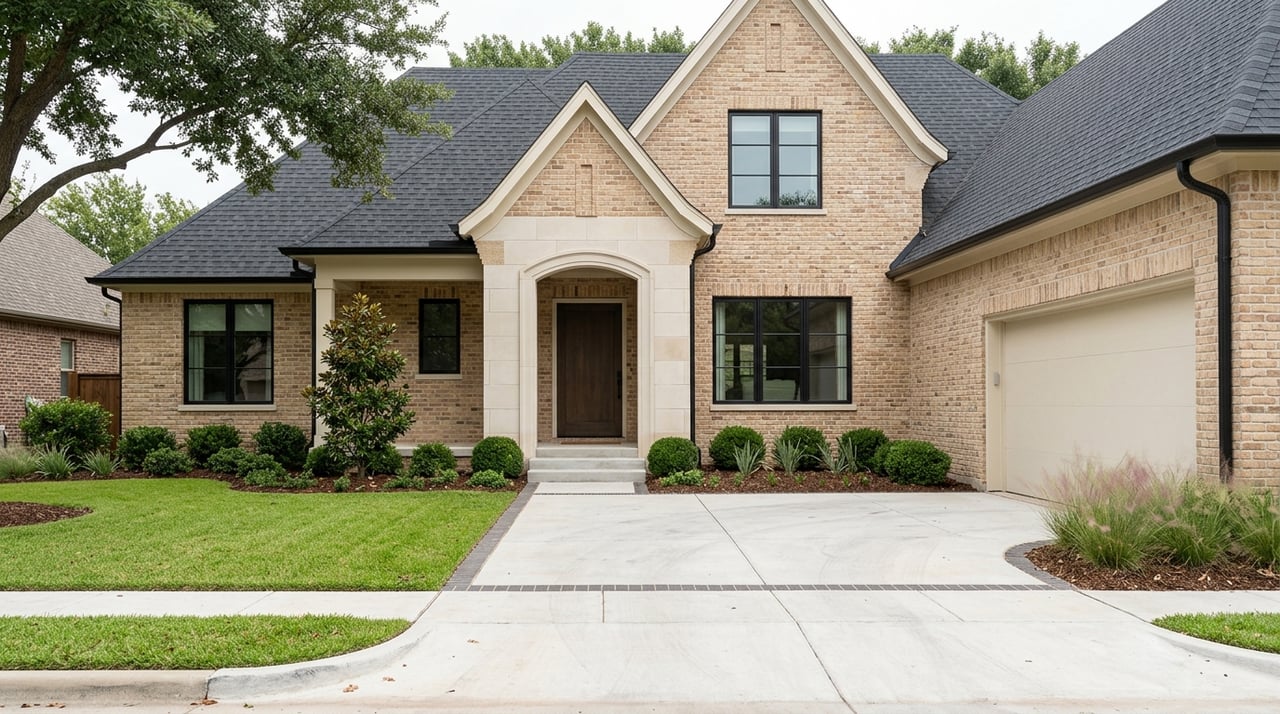
Thinking about buying in Southlake? A beautiful home can come with more than curb appeal. In many Southlake neighborhoods, HOA rules, review processes, and fees shape daily ownership in ways that are important to understand before you close. If you want fewer surprises and more confidence, this guide will help you know what to review, what to ask, and how HOA standards often work in Southlake. Let’s dive in.
Why HOAs Matter in Southlake
Southlake has a strong HOA presence. The Texas HOA management-certificate database shows many recorded associations in the city, including Carillon, Clariden Ranch, Estancia at Southlake, Southlake Hills, Southlake Meadows, Southlake Oak Tree Estates, Southlake Woods, and Southridge Lakes.
For you as a buyer, that means HOA living is not a small side issue in Southlake. It is often a core part of the ownership experience, especially in established and higher-end neighborhoods where community standards help guide maintenance, design changes, and shared expectations.
What HOA Living Usually Includes
If a home is subject to mandatory HOA membership, you should expect a set of governing documents and sale-related disclosures. In Texas, the resale certificate and the requirements under Texas Property Code Chapter 207 are key tools that help surface important details before closing.
These disclosures can include assessments, judgments, right-of-first-refusal information, and other association matters that may affect your decision. If a resale certificate was already ordered, Chapter 207 also allows an updated resale certificate within 180 days of the original request.
What the Management Certificate Tells You
Texas law requires a property owners’ association management certificate to be recorded with the county and filed with TREC within seven days after county filing. That certificate must include the subdivision name, association name, recording data, contact information for the manager or designated representative, the website for dedicatory instruments, and certain transfer-related fee information.
This matters because the management certificate can give you a fast snapshot of how the HOA operates. It can also help you confirm whether the community is self-managed or professionally managed, who to contact, and what fees may apply during the transaction.
Southlake HOA Rules Often Go Beyond Dues
When people think about an HOA, they often think only about annual or monthly dues. In Southlake, the bigger story is often the rules, review standards, and extra policy documents that can affect how you use and maintain your property.
Some Southlake associations appear to have multiple policy layers beyond just the declaration and bylaws. For example, the recorded management certificate for Southlake Oak Tree Estates lists documents tied to community-wide standards, rental policy, records retention and copying, alternative payment plans, contract and bidding, security measures, pool enclosure standards, architectural review, and covenant enforcement and fining.
That is a good reminder to ask for the full HOA document package, not just the main covenant document. A neighborhood may have separate policies that directly affect your plans for leasing, exterior updates, payment options, or amenity use.
Exterior Changes Often Need Approval
In Southlake neighborhoods with architectural review, even straightforward projects may need approval before work begins. That can include changes to landscaping, paint, fences, pool-related features, and other visible exterior updates.
A local example is Estancia at Southlake. Its ACC guide states that no architectural or landscaping change may be made without ACC approval, that management acts only as a liaison, and that the request packet may need items like a plat, plans, and material samples.
The same guide says the ACC has up to 30 days to make and communicate its decision. If you are planning improvements soon after move-in, that timeline matters. It may affect your closing plans, contractor scheduling, and expectations for how quickly you can personalize the property.
What to Ask About ACC Reviews
Before you buy, it helps to get specific about the review process. Ask questions like:
- What exterior changes require approval?
- How do you submit a request?
- What attachments are required?
- How long does review usually take?
- Are there published design guidelines or material standards?
Clear answers can save you time, money, and frustration later.
Texas Law Gives Some Owners an Appeal Path
For larger associations, Texas law now provides an appeal process for certain architectural review denials. Texas Property Code Section 209.00505 applies to POAs with more than 40 lots.
Under that statute, the owner must receive written notice describing the denial and any required changes. The owner also has the right to request a hearing, and the board may affirm, modify, or reverse the original architectural decision.
This does not mean every request will be approved. It does mean you should understand both the initial review process and the next steps available if a request is denied.
City Rules and HOA Rules Are Separate
One of the most important things to understand in Southlake is that HOA approval and city approval are not the same. A project can satisfy one set of rules and still fall short under the other.
Southlake code enforcement addresses issues such as high grass, trash and debris, and outside storage visible from public streets. The city also has fence guidelines that require permits for several fence and barrier types, including fences over 7 feet, pool barriers, fences with brick or stone columns, masonry fences, and retaining walls.
Subdivision fences must also conform to zoning requirements, including material rules. On the landscape side, Southlake’s guidelines encourage water conservation and the use of low-water native and non-native plants.
Why This Matters Before You Buy
If you already know you want to install a pool barrier, replace a fence, build a retaining wall, or redesign landscaping, you should review both the HOA requirements and the city rules early. That two-track review can help you avoid delays and avoid assuming that one approval covers everything.
For buyers relocating to North Texas, this is especially important. Processes can vary by city and subdivision, so it helps to verify the exact standards tied to the home you are considering.
Southlake HOA Fees Can Vary a Lot
One Southlake HOA can look very different from another when it comes to fees. Regular assessments, transfer charges, resale certificate costs, working-capital contributions, and reserve contributions may all vary by neighborhood.
For example, a March 2025 management certificate for Southlake Hills listed regular assessments of $175 per year and identified the association as self-managed. That is a very different picture from communities with broader fee structures.
A 2024 management certificate for Clariden Ranch listed a $375 resale certificate, rush fees for faster turnaround, updated resale-certificate and payoff-statement fees, a $135 payoff statement, and a $200 transfer fee. Those are transaction-related costs that can matter when you are estimating total cash to close.
A 2024 management certificate for Southlake Meadows Residential Community showed an even more layered structure. It listed $375 for a routine resale certificate, $500 for amenity reimbursement, $1,500 in working capital, a $627.25 reserve contribution, a $250 transfer fee, and a $300 foreclosure transfer fee.
The Big Takeaway on Fees
The HOA cost picture in Southlake is often about more than dues alone. Depending on the subdivision, you may see:
- Regular assessments
- Resale certificate fees
- Transfer fees
- Working-capital charges
- Reserve contributions
- Amenity reimbursements
- Rush or update fees
Because amounts can change, the current management certificate and resale certificate are the best sources to verify the exact fee stack before closing.
Documents to Review Before Closing
If you want a cleaner due diligence process, ask for the key HOA documents as early as possible. The most important items to review include:
- Declaration or CC&Rs
- Bylaws
- Rules and regulations
- Current management certificate
- Resale certificate
- ACC or design guidelines
- Rental policy
- Separate policies for security, pool enclosures, or fining, if they exist
These documents can help you understand both the financial side and the practical side of living in the neighborhood. They can also reveal whether the community has separate policy documents that are easy to miss if you only review the main covenant packet.
Questions to Ask About a Southlake HOA
A few direct questions can tell you a lot about how an association works. Consider asking:
- Is HOA membership mandatory for this lot or home?
- What are the current regular assessments?
- Are there special assessments, working-capital charges, or reserve contributions?
- Are there pending rule changes or litigation?
- What exterior changes require ACC approval?
- What is the usual timeline for approvals?
- Are there leasing restrictions, parking rules, pet rules, or amenity reservation rules?
- What is the violation and appeal process?
- Where are meeting minutes and governing documents kept?
- How are owners notified of meetings?
These are practical questions that can help you compare neighborhoods more clearly. They also help you spot differences between communities that may look similar on the surface.
How This Helps You Buy Smarter in Southlake
In a market like Southlake, neighborhood fit is about more than the house itself. Community standards, review timelines, and fee structures can all shape how smoothly ownership feels after move-in.
That is why careful HOA review should be part of your home search strategy, not just a last-minute closing task. When you understand the rules, documents, and costs up front, you can move forward with fewer surprises and better clarity.
If you are comparing Southlake neighborhoods or relocating to the area, having local guidance can make the process much easier. For personalized help evaluating homes, neighborhoods, and the details that come with them, connect with Move 2 DFW.
FAQs
What should buyers review for HOA rules in Southlake neighborhoods?
- Buyers should review the declaration or CC&Rs, bylaws, rules and regulations, current management certificate, resale certificate, ACC guidelines, rental policy, and any separate policies tied to enforcement, security, or pool enclosures.
How do HOA approval processes work in Southlake neighborhoods?
- Many Southlake neighborhoods use an architectural review process for exterior or landscaping changes. In the Estancia at Southlake example, owners may need to submit a plat, plans, and material samples, and the ACC has up to 30 days to communicate a decision.
Are HOA fees the same across Southlake neighborhoods?
- No. Southlake HOA fees can vary widely. Some communities may have modest annual assessments, while others may include resale certificate fees, transfer fees, working-capital charges, reserve contributions, and amenity reimbursements.
Do Southlake buyers need both HOA approval and city approval?
- Yes. HOA approval and city approval are separate. A project may need HOA review and also need to meet Southlake permit, zoning, fence, or code-enforcement requirements.
Can a buyer appeal an architectural denial in a Southlake HOA?
- In larger Texas POAs with more than 40 lots, Texas Property Code Section 209.00505 provides an appeal process for certain architectural review denials, including written notice and the right to request a hearing.